Albanian Alps Hiking Starts With the Days You Have
Start with the days you have, then pick the valley. How the Albanian Alps fit a weekend, a week over the Valbona Pass or the full loop across three borders.
Quick links
Don't want to read all this?
We've planned 2,000+ hiking trips. Send your dates, fitness and group size — we'll map the route and book every night.



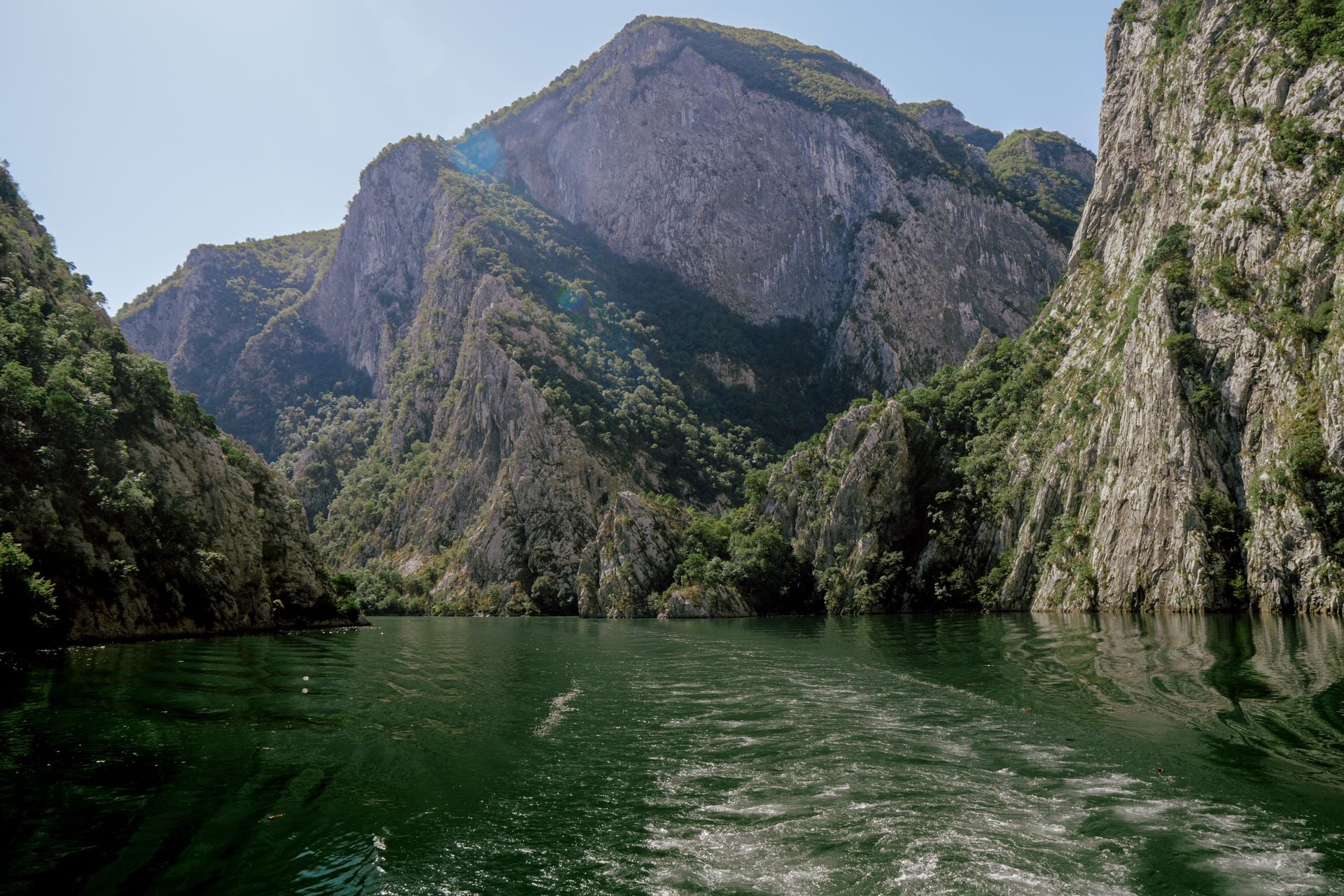
The ferry leaves Koman at nine, and for the next two and a half hours the lake narrows between limestone walls until it feels less like a lake than a flooded canyon. At Fierza a van is waiting, and an hour later you are in Valbona with a guesthouse dinner in front of you and the pass for the morning. That is how most people arrive in the Albanian Alps, and the arrival is already half the point.
The range has five valleys and one pass that joins the two busiest of them. Getting into the first valley takes a day, the crossing takes another, getting out of the second takes a third, and the ferry and the 4x4 each run once a day. Add a night at each end and the classic trip is five days before you have walked anywhere else. This guide plans the Alps around the days you have, from three to twelve, and says which valley each extra day buys you.
Accursed Mountains, Prokletije or Albanian Alps?
Three names, three languages, one range, and on this page the three are one place. Here is who calls it what, and who did the cursing:
The Montenegrin and Serbian name, and the one on the signs in Plav and Gusinje: the cursed ones. Nobody agrees who did the cursing. The legends blame the devil, a mother who crossed the range in the heat and found no water, or Slav soldiers who had to march over it. Montenegro's share has been a national park since 2009, with the Ropojana and Grbaja valleys as the ways in from Vusanje.
The Albanian name, the accursed mountains, which English writers borrowed a century ago. In 1909 Edith Durham was told in the Shala valley that the curse came from the Turks, who entered High Albania across these passes. Albania made its whole massif one park in January 2022, the Alps of Albania National Park at 82,845 hectares, and Kosovo's park of the same name dates from 2012.
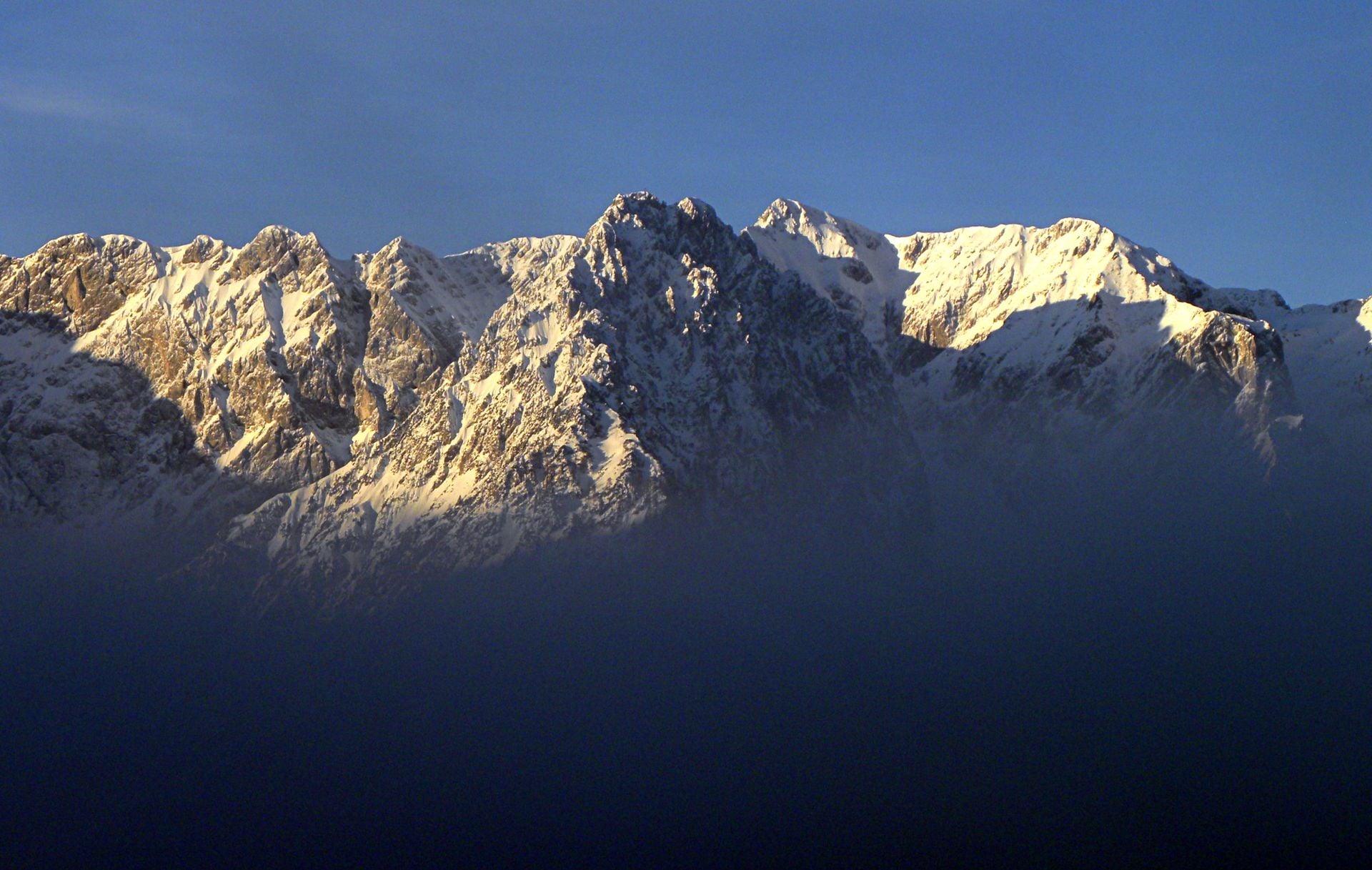
The geographers' term for the same limestone block: the northern end of the Dinaric Alps, across Albania, Montenegro and Kosovo. Maja Jezercë, 2,694 m, is its highest point, on the Albanian side, with about thirty glacial lakes below the ridges. It was first climbed as late as July 1929, by three British mountaineers, in the summer Italian surveyors found that Shkëlzen, long thought the highest, was not.
The Five Valleys
See the five valleys on the map: green pins are Theth and the Shala valley, blue Valbona, purple Kelmend, orange Çerem and Dobërdol in the Gashi, and brown the two gateways, Shkodër and the Koman ferry.
Valley | Base | Reach it by |
Theth, the Shala valley | Theth village | Minibus from Shkodër on the paved mountain road, about 2 hours |
Valbona | Valbonë and Rragam | The Koman ferry and a van from Fierza, about 6 hours from Shkodër |
Kelmend | Lëpushë and Vermosh | 95 km of road from Shkodër over the Bordolec pass, paved since 2016 |
Gashi | Çerem and Dobërdol | A rough track from Valbona to Çerem by 4x4, then on foot |
Shala river and Lake Koman | Koman | The ferry itself, or a small boat up the river in summer |
Ropojana, over the border | Vusanje, Montenegro | The Peja Pass from Theth with a permit, or by road through Gusinje |
Theth and Valbona carry almost all the walkers, and each has its own page on this site: our guide to Theth National Park for the village and its walks, and our guide to the Valbona to Theth hike for the crossing in both directions, with the ferry and van times. This page points at them rather than repeating them.
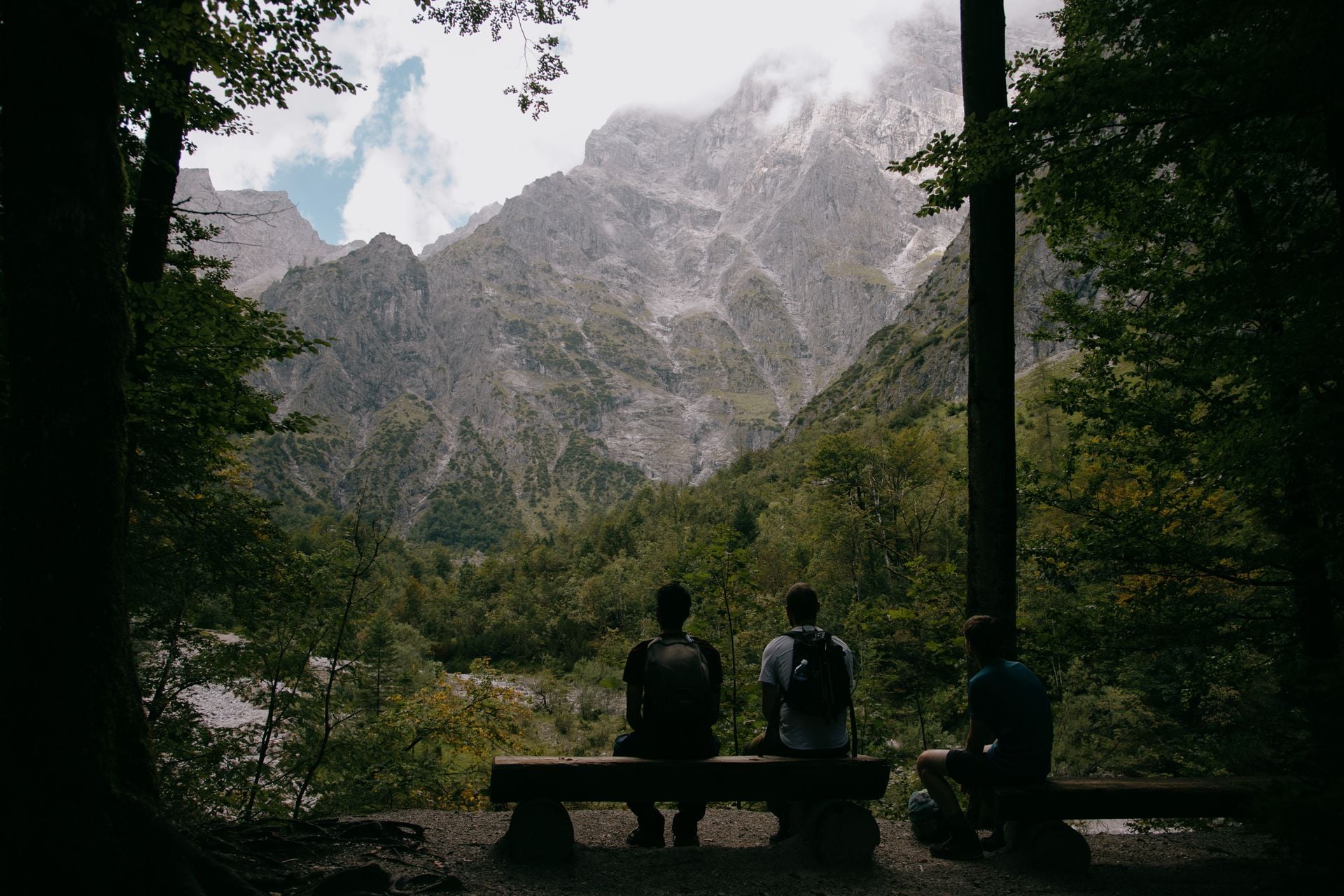
Kelmend is the valley the crowds have not found. It runs north from the Bordolec pass at 1,355 m to the Montenegrin border at Vermosh, with Lëpushë just below the pass at about 1,300 m, a village of summer pastures, a campsite and fewer than ten guesthouses, no shop and no cash machine. From Lëpushë there are two ways to walk to Theth:
Two days by way of Nikç, over the Jama Pass and then the Dobraça Pass, with a guesthouse night between.
One very long day of 25 km straight over the Peja Pass, for strong walkers with a dawn start.
The marking is thinner than on the Valbona side and water is scarce on the high ground, so this is a valley for the second visit, or for walkers who like a path to themselves.
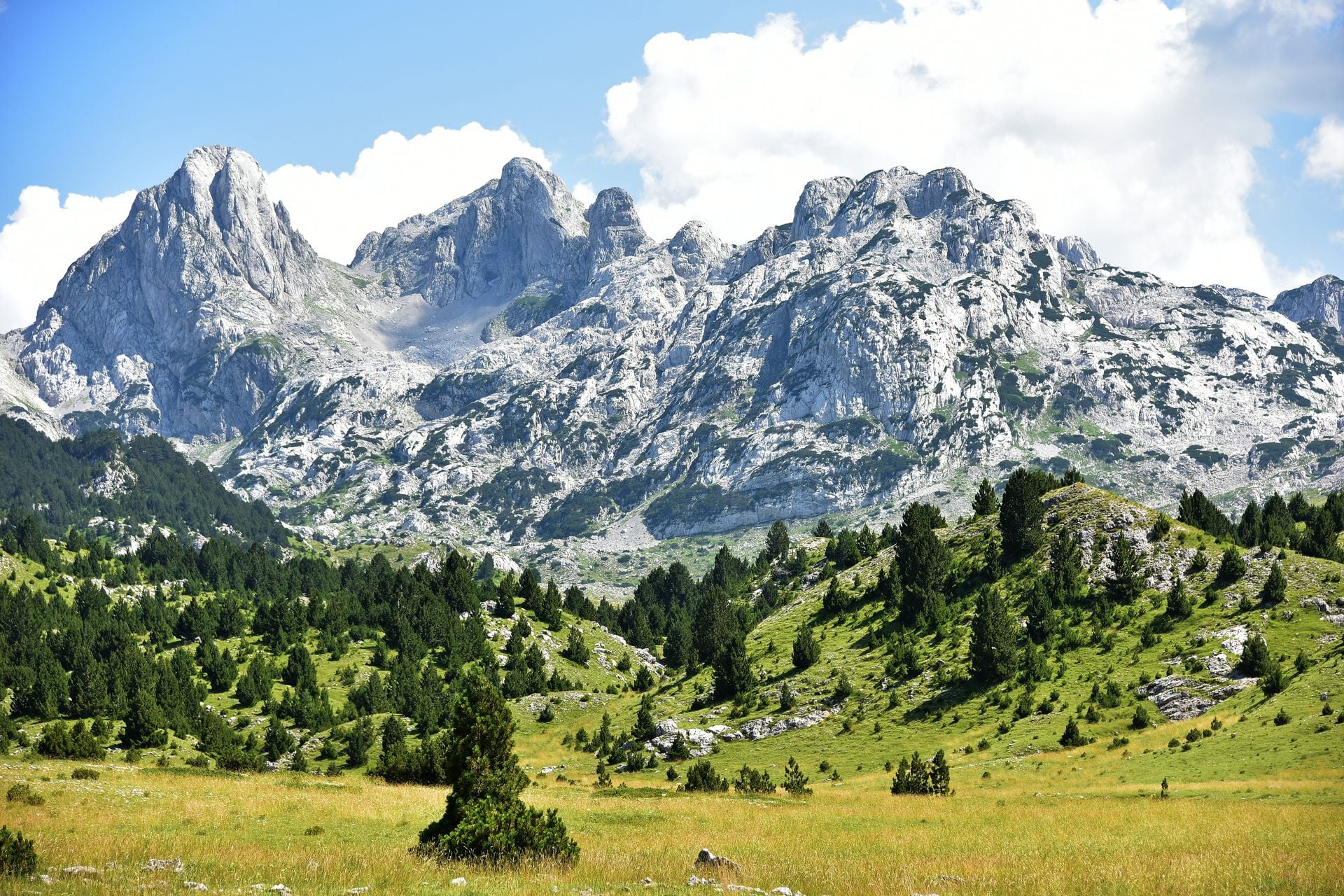
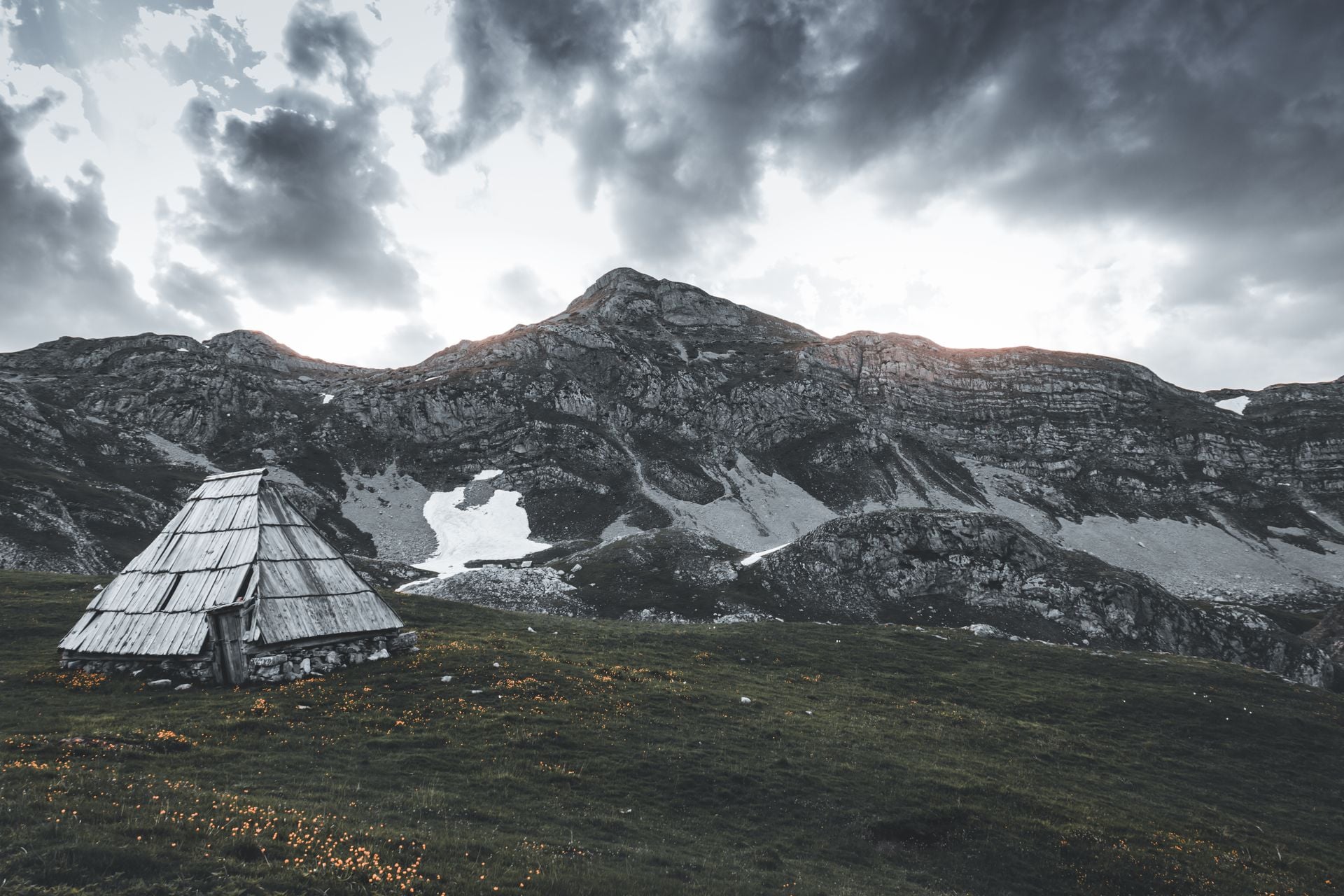
Gashi is the wild one. The Gashi river reserve is a strict nature reserve of old beech forest, and its beechwoods joined the UNESCO list in 2017. Çerem, at 1,152 m, is a scatter of houses at the end of a rough track above Valbona, and Dobërdol is a summer shepherd settlement at about 1,800 m, with glacial lakes above it and no road at all. The Peaks of the Balkans trail passes through both, which is why they have beds, and the stage between them is the one where the trail stops feeling like a walk between villages and starts feeling like a mountain.
The Shala river is a way in, not a walk. Lake Koman is a hydroelectric reservoir, and the Shala flows into it from the north through a gorge with no road. The ferry crosses the lake; in July and August small boats run up the river to a few summer huts and a beach, and a night there suits the end of a trip more than the start.
How Many Days?
The days decide the valleys, not the other way round. Every rung below adds one valley or one pass to the rung before it, and the first is the only one without a crossing.
Three days: one base
Two nights in Theth and no crossing. Shkodër to the village by the morning minibus, back on the third day. Day one is the Grunas waterfall and the lanes of the village; day two is the Blue Eye by way of the Grunas canyon, with a 4x4 back from Ndërlysaj if the legs have had enough. No ferry, no pass and no bag to carry over anything, which is why it is the trip for a first look, or for a family.
We do not arrange a Theth-only stay. The village, its four walks and where to sleep are in our guide to Theth National Park, linked above, and the shortest trip we do arrange is the rung below.
Five days: the classic
Night one in Shkodër. Day two the early van, the Koman ferry and the Fierza van to Valbona. Day three is the Valbona Pass to Theth, a full day with the bag on your back or on a horse. Day four the Blue Eye from Theth. Day five the minibus back to Shkodër. This is the shape the whole transport system is built around, and the reason the ferry, the vans and the guesthouse dinners line up the way they do.
Done on your own, the five days are a dozen bookings in three places you have never been, all timed to a ferry that leaves once a day. Done with us, the beds, the ferry and the vans are booked before you land, the 4x4 takes you up to the Rragam trailhead so the crossing starts at 1,170 m and not in the village, and a car waits at Ndërlysaj after the Blue Eye. See the tour:
The same five days can go over the border instead of down the Theth road. Start in Theth, cross the Valbona Pass eastwards, then climb out of Valbona over the ridge to Vusanje, in Montenegro's Ropojana valley, and come back to Theth over the Peja Pass the next day: two passes, two countries, four nights. The catch is paperwork. Every crossing of that border needs a permit from the police of the country you are leaving, filed at least two weeks ahead, and we file it with the booking. Explore the border version:
A week: add a valley
A week buys the slow version. Two nights in Valbona instead of one give you a day on the ridge above the valley towards the Montenegrin border, or an attempt on Maja Jezercë if you have the legs for the scramble; a second Theth night splits the Blue Eye and Grunas. Or spend the extra days in a valley the crowds skip: Kelmend from Lëpushë, with the two-day walk to Theth over the Jama and Dobraça passes, or Çerem and Dobërdol above Valbona, which turns the crossing into the first two stages of the Peaks of the Balkans.
Our week keeps to the two main valleys and spends the extra nights in them: a border walk and a viewpoint day from Valbona before the pass, and the Blue Eye after it. Every night after Shkodër is in a valley, the only driving is the way in and the way out, and the ferry, the minibus and the beds are confirmed before you leave home. Take a look:
Twelve days: the loop
The Peaks of the Balkans trail is the range in one circuit: ten stages and three countries, from Theth over the Valbona Pass, out through Çerem and Dobërdol into Kosovo, round through Montenegro to Plav and back to Theth over the Peja Pass. It is the only way to see all the valleys and the far side of the ridge on foot in one trip, and it needs three permits and a fortnight. Stage by stage, with the permit steps, it is in our guide to the Peaks of the Balkans trail.
Twelve nights in villages with no booking sites, three police forces to write to and a ferry at one end: this is the trip where arranging it yourself is a second job. We hold the guesthouses, file the three permits against your start date and send the route to your phone, so the only thing left to carry is the bag. See the full loop:
How Hard Is It Really?
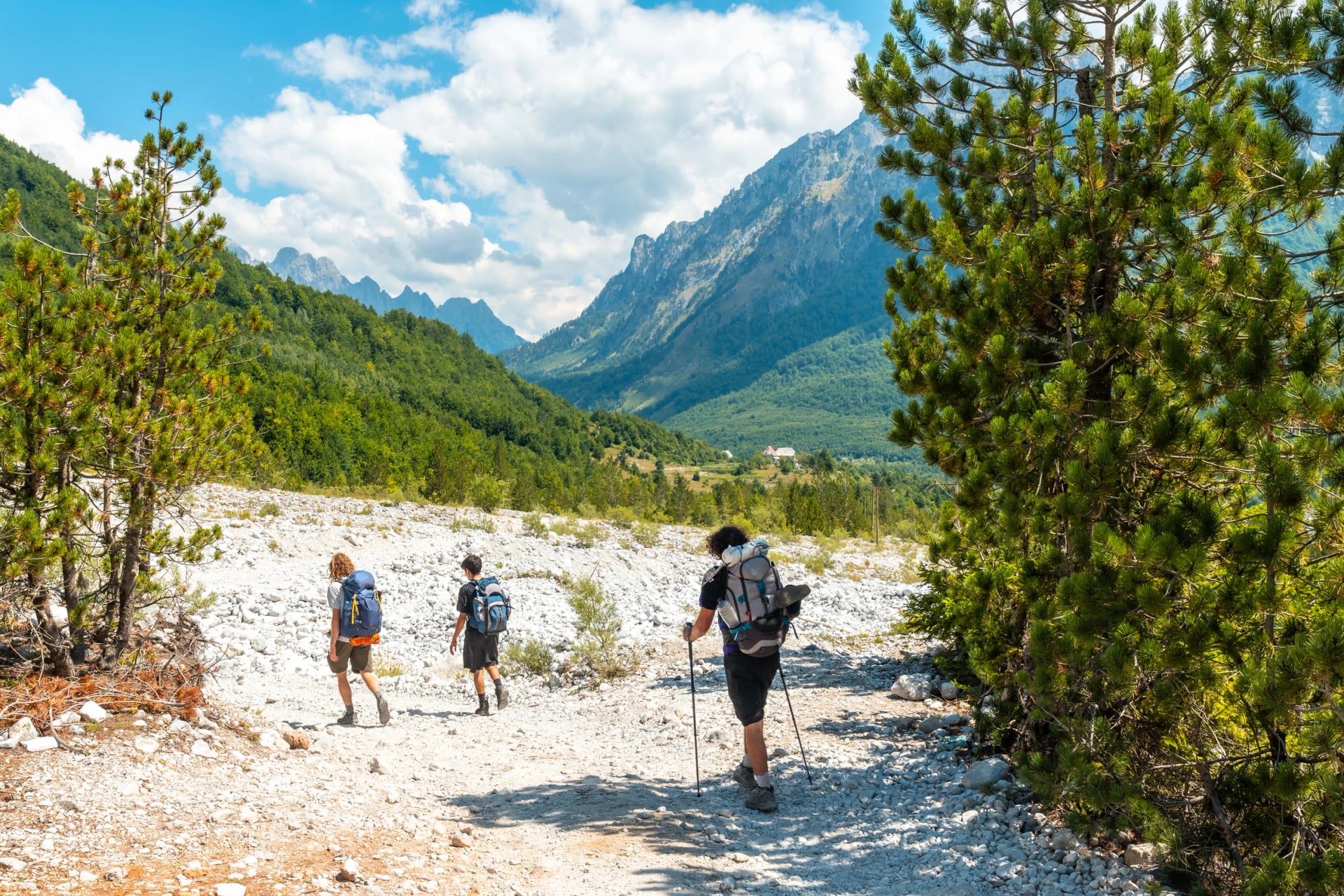
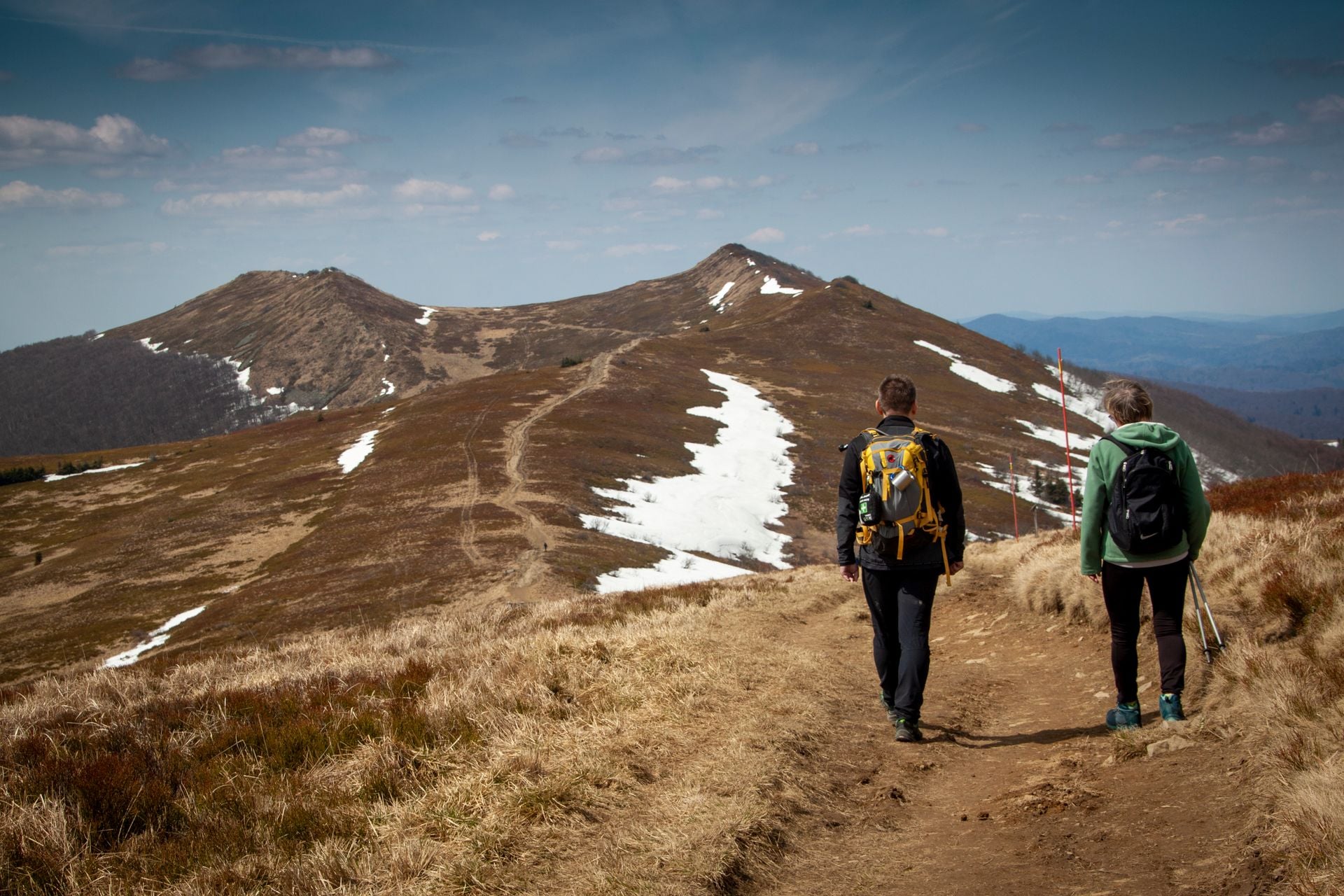
None of the standard walks need a rope, and most need nothing more than legs, water and an early start. The pass day is the measure: six to eight hours on an old mule track, a steady climb from the Rragam trailhead and a long, stony descent into Theth, which is where knees complain. The figures for both directions are in our Valbona guide; what matters here is that it is a long moderate day, not a hard one.
The hard ground is above the passes. Maja Jezercë, 2,694 m, is a scramble, not a walk: around ten hours from Rragam, loose scree on all fours, a short rock step with a chain and a cable, and a summit ridge that holds snow into July. Go with a local guide or not at all. The Peja Pass from Theth is steep scree with thin marking and no reliable water, so carry three litres a head, and the Kelmend crossings are long and partly unmarked. Heat is the other hazard: by late July the open slopes are hot by ten in the morning, which is why every local guide says the same thing: be on the pass before noon.
Three questions settle which rung fits you.
Can you walk six hours with 800 m of climbing, on rough ground, two days running? Yes puts the pass within reach and the whole ladder is open. No means the three-day rung in Theth, with a 4x4 to shorten the Blue Eye day.
Are you steady on loose scree, going down as well as up? Yes, and the Peja Pass and the longer Kelmend days are fair game. No, and you stay on the Valbona Pass, where the track is broad and the loose stretch is short.
Will you carry your own bag over the pass? No road crosses any pass in the range, so the bag goes on your back or on a horse your guesthouse arranges. If 10 kg over a pass is not your idea of a holiday, the week with two nights in each valley lets you walk the hardest days with a day pack.
When the Gates Open
The Alps run on a short calendar, and four gates open and shut it. The dates are 2026's; check the following year's before you book a flight.
The Koman ferry: 15 April to 5 November. The main operator sails daily between those dates, once each way, and the vans at both ends run to its times. Outside them the only way into Valbona is the long road round through Kosovo, or a 4x4 from Bajram Curri when the road is open. The ferry timetable is on the operator's site.
Mid-June is the earliest safe date for the Valbona Pass to clear of snow, and a cold spring pushes it to the end of the month: in 2026, after a record winter, the summer path over the top was still shut on 27 May and walkers in mid-June were crossing snow on the Valbona side. Our Valbona guide says how to check before you commit to a date. The first autumn snow can close it again in October.
The Theth road: spring to mid-November. It climbs over the Thore pass at about 1,700 m and shuts under snow; in February 2026 avalanches closed it for most of a fortnight, and in a bad year Theth has been cut off from December to late April. Guesthouses open with the road, most in May, and most close during October.
Kelmend and Dobërdol keep the shortest season of all. The Lëpushë and Vermosh houses take guests from late spring, but the Dobërdol huts open only when the flocks go up, from the second half of June, and close when the flocks come down in September. There is no bed there outside those weeks, and nothing to buy on the way to one, so the night is arranged before the walk, not at the end of it.
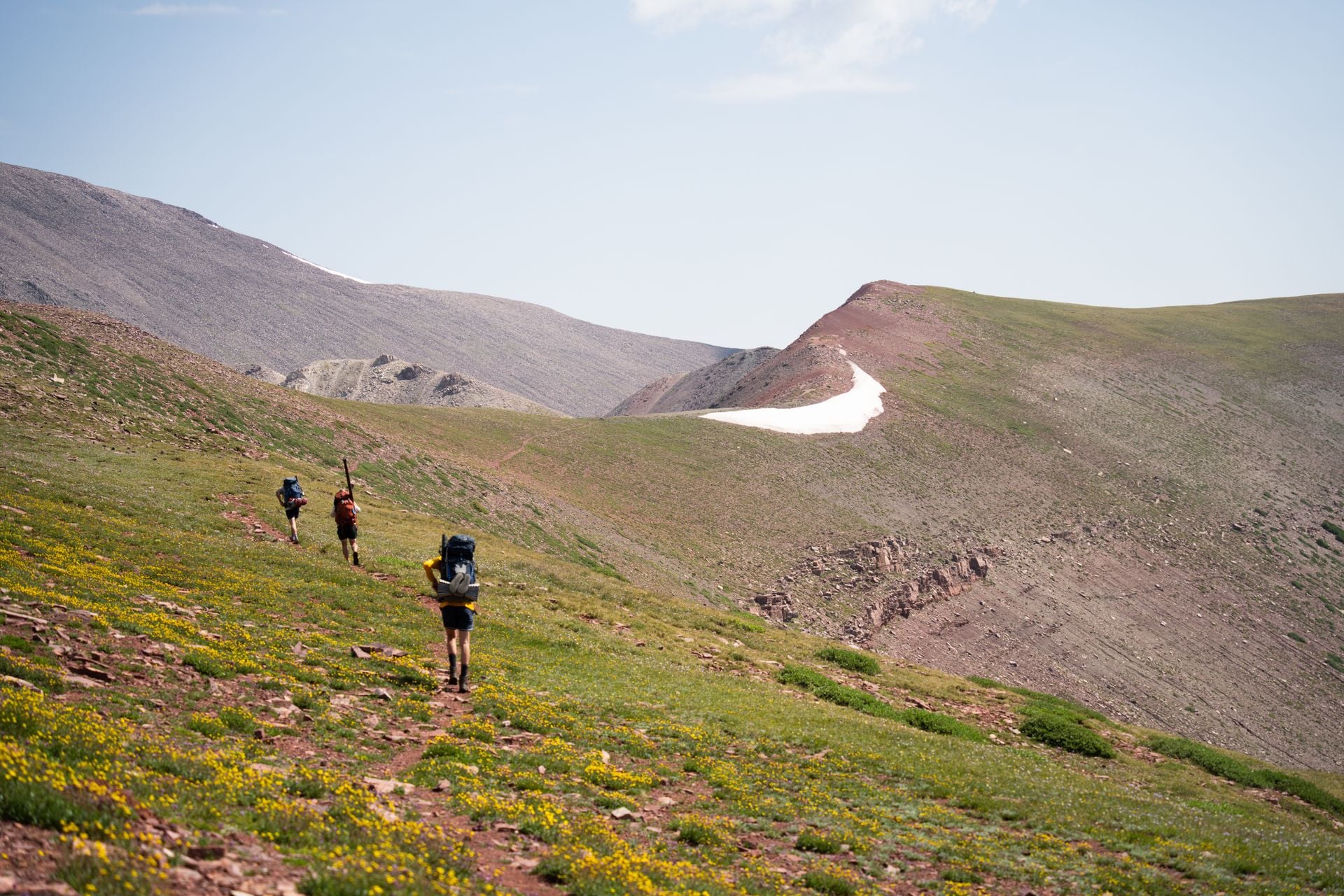
September is the month every gate stands open at once: the pass clear, the ferry running, the huts still staffed and the August crowd gone.
Beds in the Quieter Valleys
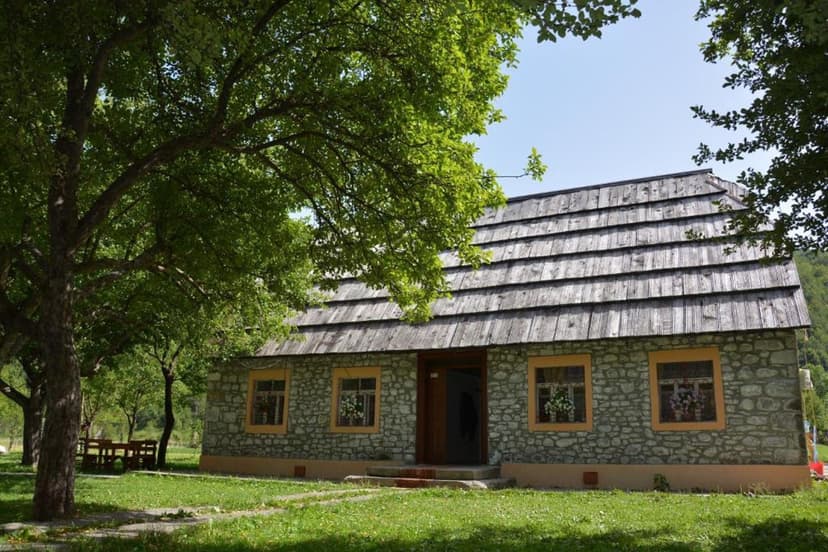
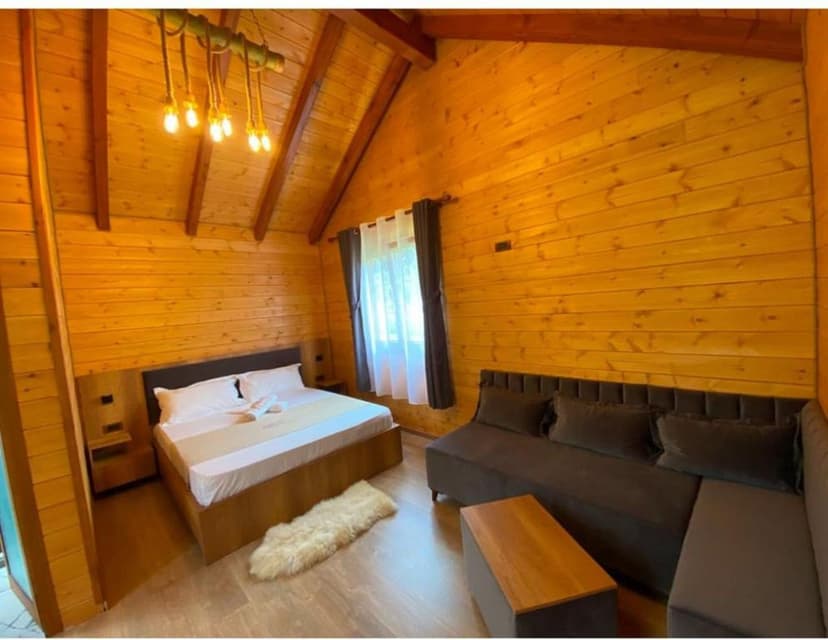
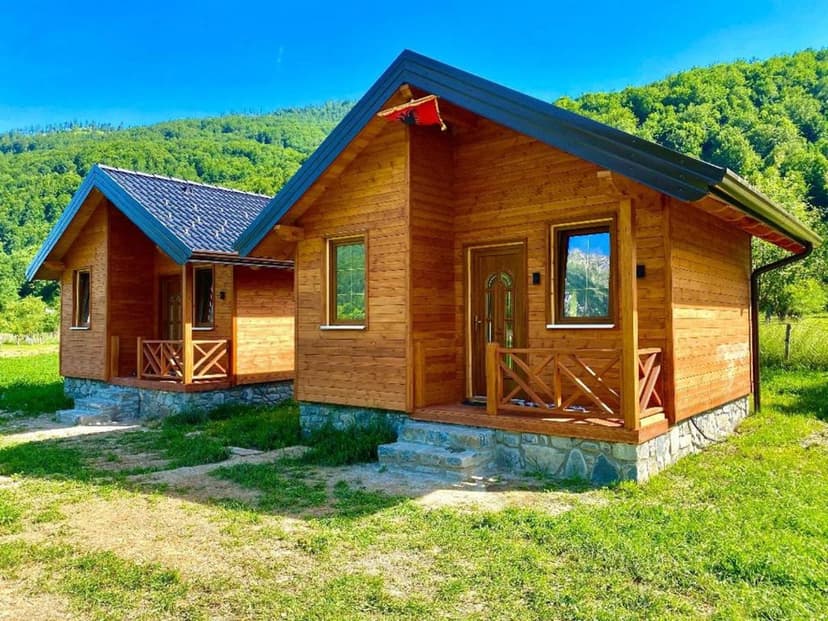
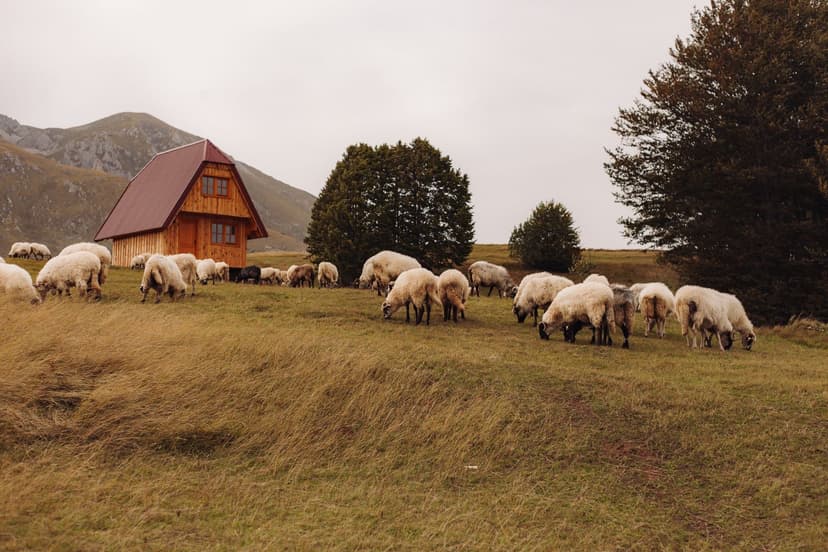
Theth and Valbona have dozens of guesthouses between them, and the two sibling guides say how to choose one. The valleys beyond have a handful each, and Lëpushë, Vermosh and Dobërdol beds are booked ahead, because there is no walk-in alternative at the end of the day. Three we would send you to, with the way to book each:
Who Else Lives Here
The range is large enough for animals most of Europe has lost, and empty enough that you will rarely see them. Five you share the path with, and the honest odds of meeting each:
Albania has around two hundred brown bears, and the beech forests of the Alps are part of their range: a camera trap in Theth caught one in 2025, a day apart from a chamois. They keep to the woods below the pastures and move at dawn and dusk, so a walker on the marked paths will almost never see one, and no attack on a hiker is on record here. Fun fact: a collared female released in autumn 2025 walked over 100 km into North Macedonia and was still awake in March.
Rupicapra rupicapra balcanica, a subspecies of its own and the animal you are most likely to meet above the tree line, from the Valbona cliffs to the ridges around Jezercë. Tan coat, a dark eye stripe, horns hooked back at the tip on both sexes. Albania's whole population was put at about three hundred in 2013.
Fun fact: the longest horns on record are just under 30 cm, and the first chamois hunt written down here was by Xenophon.
Albania's national symbol and the bird on its flag; Albanians call themselves the sons of the eagle. Golden eagles still nest on the cliffs of the Alps and hunt the open pastures, so a slow circling shape above a pass is often one, yet only 25 to 63 breeding pairs are left in the whole country. Fun fact: the wingspan can pass 2.3 m and a stooping eagle has been clocked at close to 190 km an hour.
Fewer than fifty are left in the south-western Balkans, and no more than ten mature animals in Albania, most of them in the Munella mountains far to the south: Europe's rarest cat, a subspecies listed as critically endangered. The last confirmed photograph from the Alps came from a camera trap in 2017, so a sighting here would be news.
Fun fact: the subspecies was only described in 1941, and it is on North Macedonia's five-denar coin.
Not strays. The big white or grey dogs on the pastures are Sharr mountain dogs, or close kin, bred to guard flocks from wolves and bears, and they treat a walker near the sheep as a question to settle. Give the flock a wide berth, stop if a dog comes at you, never run, and let the shepherd call it off.
Fun fact: in Ottoman times the dogs walked the flocks south each autumn to winter in Thessaly, where Greeks took them for a breed of their own.
Getting to the Valleys
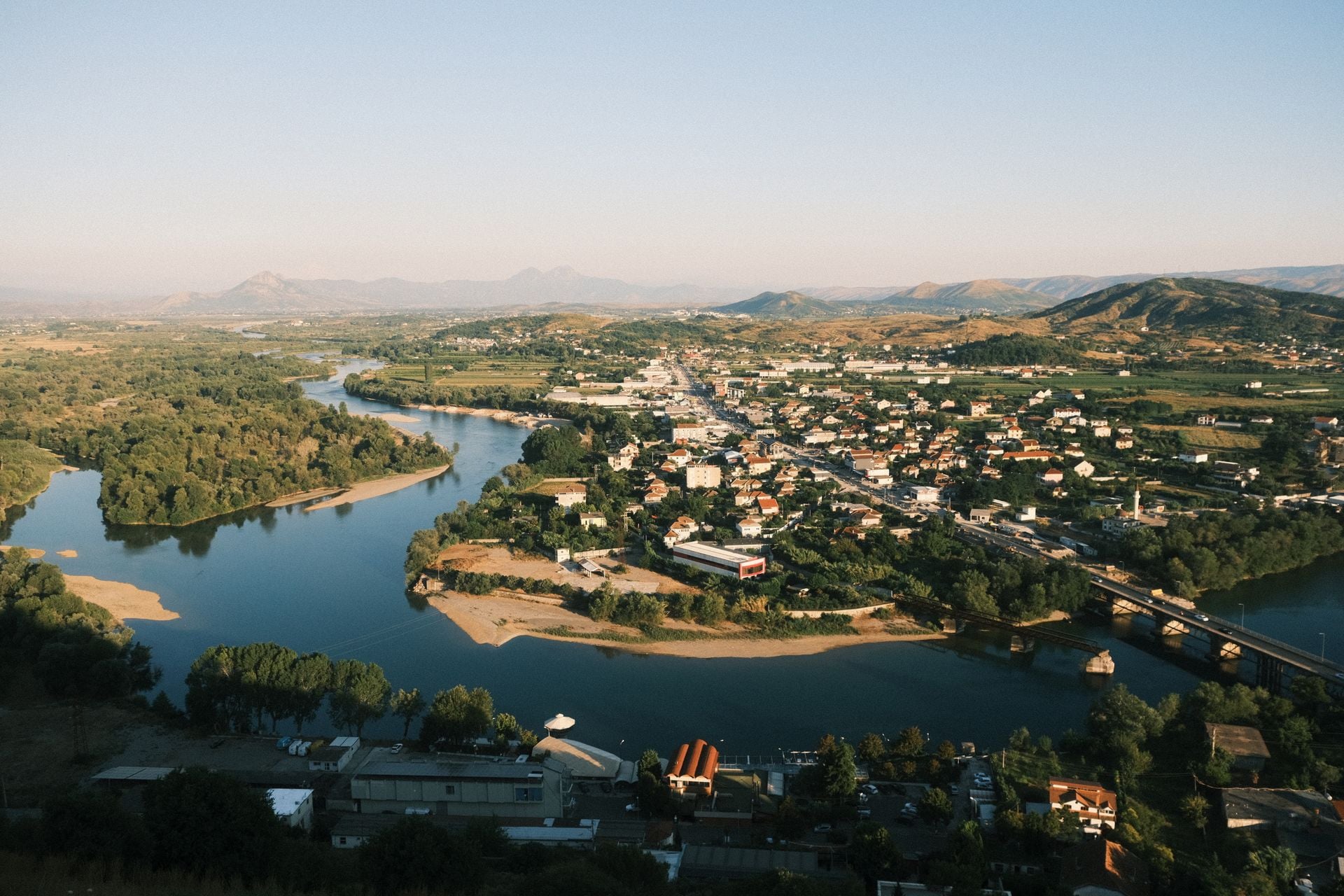
Shkodër is the hub for every valley. It has the last reliable cash machines, the bag storage, the dawn van to the ferry, the morning and afternoon minibuses to Theth and, most afternoons, a furgon up the Kelmend road to Tamarë and Vermosh that drops you at the Lëpushë turning. From Tirana airport, shuttles and coaches reach Shkodër in about two hours. For Valbona the chain is van, ferry, van, bookable with one operator. For Theth it is one minibus on 76 km of paved road, about two hours. For Çerem and Dobërdol there is no public transport beyond Valbona: a 4x4 to Çerem, then your feet. The departure times for the ferry and both main valleys are in our Valbona guide, linked above, and are not repeated here.
A hire car helps nowhere in the Alps. The passes have no road, the Theth road is single track, and the ferry and the minibuses do the driving better than you would. The rest of the country, from Korab to the paths above the Ionian Sea, is in our guide to hiking in Albania.
Plan Your Albanian Alps Hike
Say how many days you have and which rung looks like yours. An agent replies with the valleys that fit, the beds confirmed and the ferry and the 4x4 timed to each other. Send your dates through the inquiry form. If you would rather talk it through first, book a call and we plan it together.
Frequently Asked Questions



Plan with a hiking expert
Free advice from a team that knows these routes inside out - real people, not a bot

HASSLE-FREE
We handle itineraries, accommodations, and anything else you prefer not to deal with, so you can enjoy a carefree hike.

BOOK WITH CONFIDENCE
We are a financially protected company, fully bonded and insured, keeping your money safe and allowing you to travel with confidence.

TRIED & TESTED ADVENTURES
Only the best hiking tours in Albania, cherry-picked by our team with an in-depth knowledge of the region.

UNBEATABLE SUPPORT
Our 24/7 customer support is where we show our passion, bringing you a better experience by making your well-being our number one priority.